

Energy-efficient roofing is often misunderstood, and with that misunderstanding comes a variety of myths and misconceptions. In this post, we’ll clear the air and debunk some of the most common myths surrounding energy-efficient roofing. Whether you’re a homeowner considering a new roof or just curious about this topic, let’s set the record straight together.
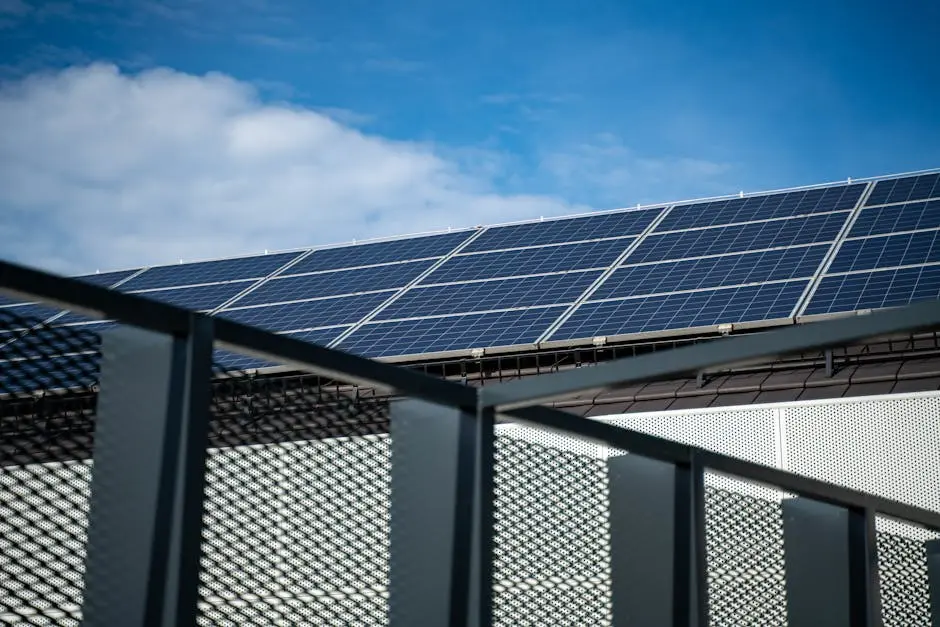
1. Energy-Efficient Roofing Is Too Expensive
Many believe that the initial investment for energy-efficient roofing materials is prohibitive. However, when considering long-term savings on energy bills, they often pay for themselves. This fact becomes even more relevant when you factor in increasing energy prices; over time, those who invest in energy-efficient options may actually save substantial amounts. Moreover, many local governments offer tax incentives and rebates that can help offset these costs, making energy-efficient roofing more accessible than you might think.
Additionally, it’s crucial to consider the environmental impact. While the upfront costs may seem daunting, the long-term benefits not only include lower bills but also a smaller carbon footprint. Imagine being part of the solution rather than contributing to the problem! So when weighing your options, think about the bigger picture.
2. All Energy-Efficient Roofing Materials Look the Same
A common misconception is that energy-efficient roofs lack aesthetic appeal. In reality, they come in a variety of styles, colors, and materials, allowing homeowners to choose what fits their home’s design. Whether you’re drawn to the classic look of shingles or the sleek appearance of metal roofs, there’s something suitable for everyone.
Innovation in the roofing industry has led to designs that can successfully marry functionality with visual appeal. From textured tiles to solar shingles that blend seamlessly into the landscape, energy-efficient roofing can enhance a home’s curb appeal while making it more sustainable. This means that you don’t have to compromise on beauty for the sake of efficiency!
3. Energy-Efficient Roofing Is Only for Hot Climates
Many believe these roofs are only beneficial in warm climates, but energy-efficient roofing can significantly reduce heating costs in colder areas as well. The benefits extend to insulating properties, which keep warmth in during winter months. For instance, reflective shingles help to minimize heat absorption, which is just as crucial in snowy regions.
Moreover, when homeowners in colder climates opt for energy-efficient materials like cool roofs or insulated panels, they can experience a noteworthy reduction in overall heating expenses. So regardless of where you live, energy-efficient roofing can serve as a smart investment!
4. You Can’t Mix Energy-Efficient Roofing with Traditional Styles
There’s a myth that energy-efficient roofing cannot blend with traditional architectural styles. In fact, many energy-efficient options are designed specifically to complement classic looks. Picture traditional homes adorned with modern, eco-friendly roofing that does not detract from their original charm.
Innovative products like synthetic slate and tiles mimic classic materials while offering a host of energy-saving benefits. Homeowners can enjoy the best of both worlds: maintaining their home’s heritage while also stepping into a sustainable future.
5. You Won’t Save That Much Energy
People often underestimate the energy savings. Studies show that energy-efficient roofing can reduce energy consumption by a significant percentage, lowering utility bills. In fact, reports have indicated potential savings of up to 20% on cooling and heating costs, which adds up over the years.
It’s not just about saving money on bills, but also about contributing to a larger cause: reducing reliance on fossil fuels. Each household that adopts energy-efficient roofing is playing a role in fostering a healthier planet, making it a win-win situation!
6. It Requires Constant Maintenance
Some assume that energy-efficient roofing materials require more upkeep. However, many are designed for durability and low maintenance, providing peace of mind. Take metal roofing, for instance; not only is it resistant to weather extremes, but it also eliminates the need for frequent repairs that traditional roofing might require.
Investing in energy-efficient options can ultimately save you time and money on maintenance. This means fewer headaches for homeowners, allowing you to focus more on enjoying your space and less on repairs.
7. All Energy-Efficient Roofing Is the Same
Not all energy-efficient roofing options are created equal. Different materials and technologies offer varying levels of efficiency, so it’s essential to do thorough research. For example, while some materials reflect sunlight to maintain cooler temperatures, others are designed specifically to enhance insulation.
Thus, understanding these differences helps you choose the best option for your specific needs. An informed decision can lead to greater energy savings and satisfaction in the long run. So take the time to explore the various options available; your future self will thank you!
8. You Need to Replace Your Whole Roof for Energy Efficiency
Some think they have to replace their entire roof to achieve energy efficiency. However, there are options to upgrade or supplement existing roofs with energy-efficient materials. This could include adding insulation or applying reflective coatings to your current setup.
In fact, incremental changes can yield impressive results! Even minor upgrades contribute to overall energy savings, making it easier for homeowners to transition to more energy-efficient solutions without overwhelming costs.
9. Energy-Efficient Roofing Will Void Your Warranty
There’s a belief that switching to energy-efficient roofing voids warranties. In practice, many manufacturers support energy-saving products and offer warranties for compatible designs. It’s always a good idea to check with your roofing provider to understand your options—they are usually eager to help navigate these concerns.
Taking advantage of cutting-edge technology and materials should not come at the cost of your warranty. Don’t let this myth deter you from making a choice that could benefit both your wallet and the environment!
10. Only New Homes Can Benefit from Energy-Efficient Roofing
Many think that only newly built homes can take advantage of energy-efficient roofing. In actuality, older homes can reap the benefits too with the right upgrades. Whether it’s retrofitting your roof or investing in solar panels, there are multiple pathways for existing homeowners to improve energy efficiency.
Moreover, even older homes often have unique charm, and energy-efficient solutions can seamlessly integrate with their character. There are countless success stories of vintage homes transformed with modern energy-efficient roofing, proving that age is just a number!