

A full roof replacement can feel daunting, but knowing what to expect can ease your mind. In this blog, we’ll walk you through the process step-by-step, ensuring you are well-prepared for this significant home improvement project. From the initial assessment to the final touches, let’s demystify what a full roof replacement entails.
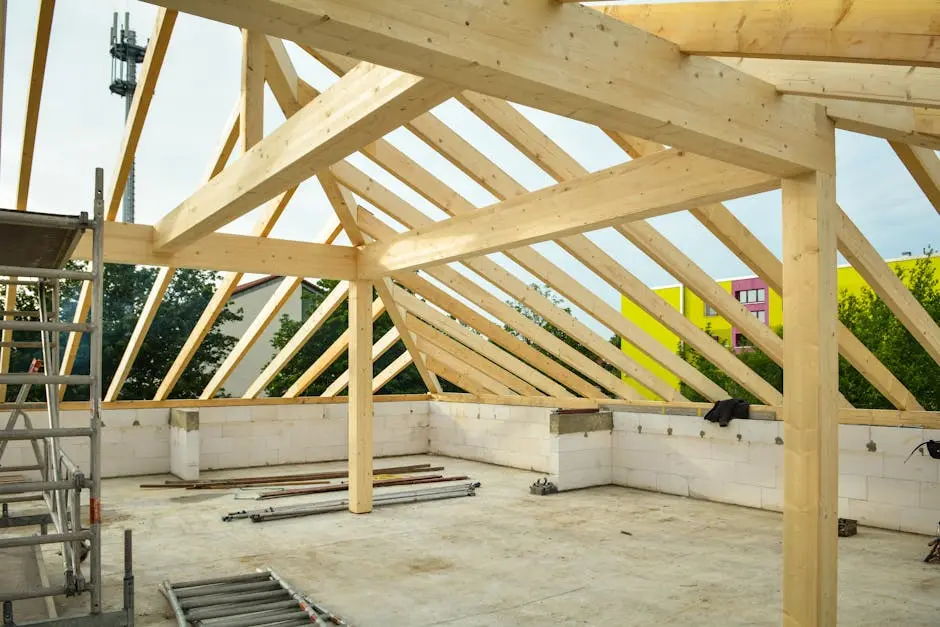
Understanding the Need for a Full Roof Replacement
Sometimes repairs just won’t cut it! There are various signs that indicate the necessity for a complete roof replacement, and recognizing them early can save you from costly troubles down the line. Look out for sagging areas, missing shingles, or widespread leaks that suggest your roof might be at the end of its lifespan.
A full roof replacement offers an opportunity not just to fix issues, but to enhance the longevity and efficiency of your home. In addition to improving aesthetics, newer roofs come with advanced materials that better insulate your home, potentially lowering your energy bills.
Before you proceed, however, understanding the local climate influences the lifespan of roofing materials. For instance, if you live in an area prone to severe storms or heavy snowfall, opting for more resilient materials will be crucial. Thus, it’s important to consult with an experienced contractor who can advise based on your specific needs.
Preparing for the Replacement Process
Preparation is key. Selecting a reliable contractor can profoundly impact your roof replacement experience. Start by gathering recommendations from friends or family who have recently completed similar projects. Google reviews also offer invaluable insights into a contractor’s reliability and quality of work.
Once you have a shortlist, it’s essential to interview potential contractors. Ask about their experience with full roof replacements, and don’t hesitate to request references or viewing past projects. This step is pivotal to ensure you feel comfortable and confident in your choice.
Don’t forget to discuss timelines, budgets, and the specific materials you wish to use. Clearly setting expectations can avert misunderstandings down the line. Additionally, ensure the contractor has the appropriate licenses and insurance to protect you in case of accidents during the project.
Preparing your home for the installation day is just as essential. This involves clearing your yard of any obstacles that may hinder the workers. Moving vehicles and outdoor furniture out of the way helps prevent potential damage and ensures a smoother workflow.
What Happens on Installation Day?
The day has finally arrived! A full roof replacement typically begins bright and early. Expect the crew to arrive with all necessary equipment in tow, ready to get to work. It’s both exciting and a bit nerve-wracking to watch your old roof come off and the new one go up.
During this process, the crew will remove your existing roofing material, which can be quite noisy. This is a good time to prepare for some interruptions. Ensure you and your family have a plan for this day; staying in a different part of the house or even heading out is often a good idea.
As the installation progresses, keep an eye on the materials used. Today’s roofing materials vary widely, from asphalt shingles to metal roofing, allowing homeowners to choose what works best for their home and budget. Make sure those materials meet your expectations in terms of quality.
Finally, once the installation is finished, the crew will do a tremendous cleanup. However, it’s still wise to check your property for any stray nails or debris left behind. A good contractor will ensure that your yard is left as pristine as it was before the project began.
Common Concerns During a Roof Replacement
It’s completely normal to have concerns. A common worry is about the timeline of the project. Will it really be finished on schedule? Open communication with your contractor can help alleviate these fears. They can provide updates and adjustments as needed.
Another frequent concern relates to the cost. While it’s essential to stick to agreed budgets, unforeseen issues may arise, such as hidden water damage found while tearing off the old roof. Discuss potential extra costs with your contractor upfront to be prepared.
Safety is also paramount. Homeowners often worry about their home being exposed to the elements during the project. Your contractor should have a plan to secure your home properly, and the entire crew should follow safety protocols to minimize risks.
Finally, don’t hesitate to voice concerns throughout the project. Whether it’s about noise, the materials being used, or any other issue, a good contractor will be willing to address them. After all, it’s your home, and you deserve to feel comfortable throughout the entire process.
Post-Installation: What to Look For
Once the work is done, it’s important to know what to review and inspect. After all the excitement, it’s easy to assume everything is perfect. However, taking the time to properly inspect the new roof can save you from future headaches. Make a checklist before the contractor leaves.
Check the edges for evenness and ensure all shingles are properly installed. Look for any gaps or misaligned sections, as these can lead to leaks later. Additionally, make sure that the gutters and downspouts are aligned correctly to direct water away from your home.
It’s also wise to keep your warranty information handy. Many roofing materials come with warranties that could protect you in case something fails prematurely. Understanding the terms and knowing how to make a claim is crucial for your peace of mind.
Finally, don’t forget to follow up with your contractor after installation. A reputable contractor will be more than willing to help you if any issues arise in the days following your new roof’s completion. Keeping communication lines open is key to enjoying your new roof worry-free.
Wrapping Up Your Roof Replacement Journey
A full roof replacement can be a straightforward experience if you know what to expect. By understanding each phase of the process, staying in communication with your contractors, and preparing your home, you can make this transition smooth and efficient. Remember, this investment will protect your home for years to come and enhance its overall value.