

Preparing for a restoration project can seem daunting, but with the right approach, it can be an exciting and rewarding process. Whether you’re looking to restore your home or a specific area, getting ready ahead of time will make the entire project run smoother. Here’s how you can get started.
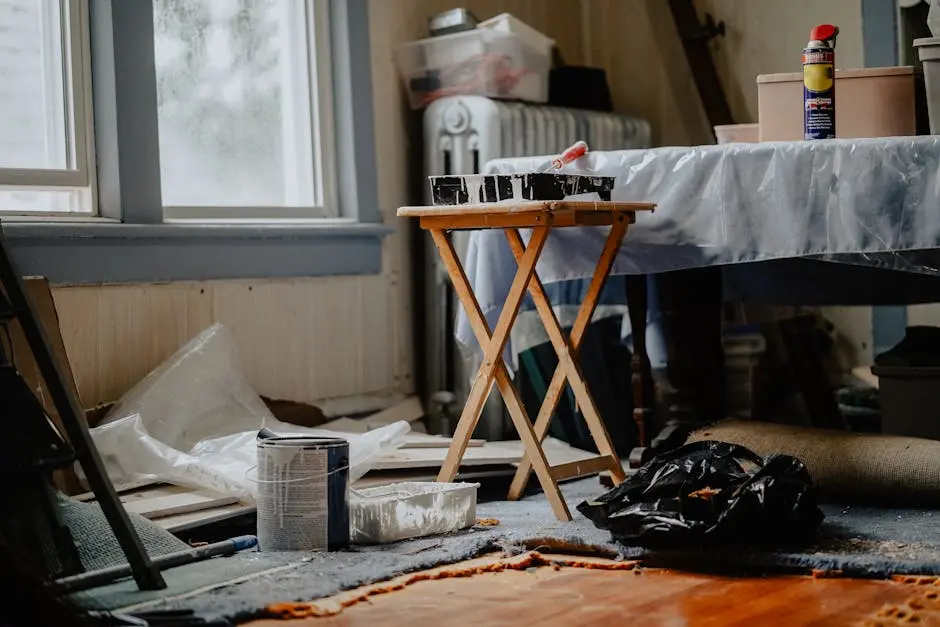
Assess the Damage
Begin by evaluating the extent of the damage in your home. Take notes and pictures to document everything, which can be helpful when consulting with professionals.
It’s crucial to be thorough when assessing damage. Look at each room, checking walls, ceilings, and floors for moisture or structural wear. Consider enlisting the help of a contractor who can spot hidden issues that a casual observer may miss.
Remember, the goal is to get a complete picture of what needs restoring. This not only aids in planning but also provides transparency to the restoration professionals, ensuring that you’re all on the same page from the start.
Don’t forget to consider any personal possessions that might be at risk. Identifying these early can save you heartache later on and help you prioritize what needs immediate attention.
Set a Budget
Determine how much you are willing to spend on the restoration project. Having a clear budget will help you make informed decisions throughout the process.
Setting a budget is more than just a number; it’s about anticipating costs. Include not only the immediate repairs, but also funds for unexpected expenses that may arise during the project. It’s better to be prepared than to face unpleasant surprises!
You might also want to research the average costs associated with restoration in your area. This can give you a better idea of what to expect when talking to noblesville roofing and restoration companies.
Consider the value of your home as well. Investing wisely in your restoration can increase property value significantly, so think of your budget not just as a limit, but as an investment in your home.
Research Professionals
Look for reputable noblesville roofing and restoration companies. Read reviews, ask for recommendations, and don’t hesitate to interview several options.
Choosing the right professionals can make all the difference. Take time to call references, meet with contractors, and get a feel for their approach to projects like yours. A good professional will not only deliver quality work but also communicate effectively with you throughout the process.
Don’t shy away from asking tough questions. Inquire about their experience, qualification, and the materials they propose using. It’s your home, after all, and you deserve to be well-informed.
Additionally, keep an eye out for any special certifications or licenses. These can often set professionals apart and assure you of their credibility and adherence to industry standards.
Create a Timeline
Establish a realistic schedule for the restoration work. Consider factors such as weather, contractor availability, and any permits or inspections that may be needed.
Creating a timeline not only helps in managing the project effectively but can also alleviate stress. Make a clear outline of what needs to be done first, and keep open lines of communication with your contractors to adjust timelines as necessary.
Keep in mind that restoration projects can be unpredictable. Prepare for possible delays by incorporating buffer time into your schedule. A little flexibility can go a long way in keeping your project on track.
Utilizing a project management tool can also be advantageous. This can help you keep track of important dates, tasks, and the overall progress of your restoration work.
Gather Necessary Permits
Check with your local authorities to understand what permits are required for your restoration project. Failing to secure these can delay your project.
Permits can vary widely depending on the nature of your restoration work. For instance, if you’re altering the structure of your home, you’ll likely need different permits than for simple cosmetic changes. Start this process early to avoid unexpected hold-ups.
It might feel tedious, but the permit process can actually protect you and your property. It ensures that the work is compliant with local building codes and safety regulations. In the long run, this could save you from potential issues down the road.
Consulting with your restoration professionals can also streamline this process. They typically have experience with permitting and can guide you on what you’ll need to do to stay compliant.
Ready, Set, Restore!
Successfully preparing for a restoration project involves careful planning, clear communication, and understanding your needs. By following these steps, you can approach your restoration project with confidence and clarity.