

If you’ve recently faced a storm, you may be worried about the condition of your roof. It’s essential to know how to assess and repair roof damage quickly and efficiently. In this guide, we’ll walk you through everything you need to know about roof damage repair, from identifying issues to finding the right professionals. Let’s dive in!
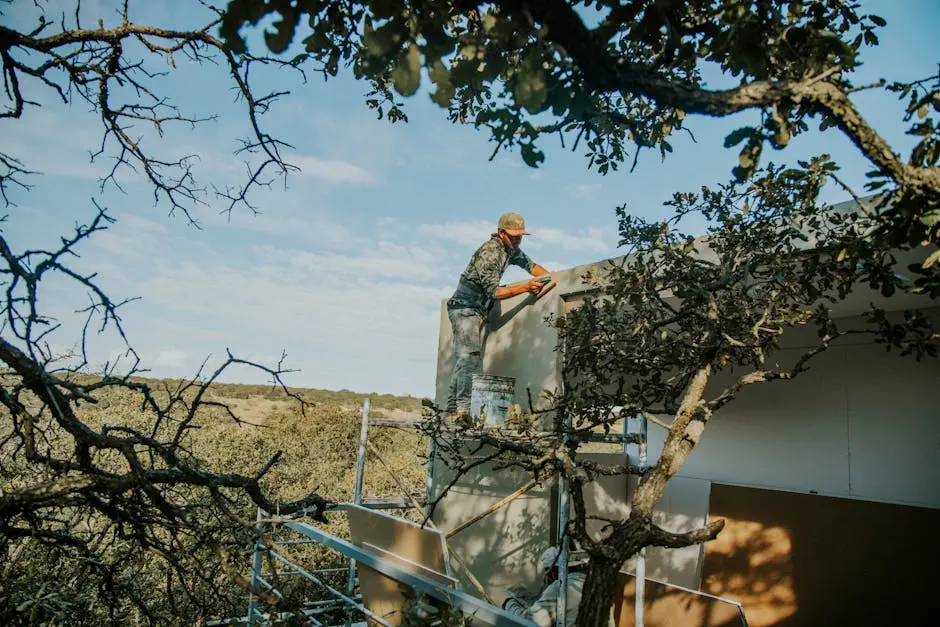
Recognizing the Signs of Roof Damage
After a storm, it’s crucial to examine your roof for signs of damage. Look for missing shingles, leaks, and significant debris accumulation. An inspection may reveal more than you expect, so don’t rush through it. Grab your ladder, and let’s get started!
This initial inspection is about more than just spotting obvious issues. For example, discoloration on the ceiling can indicate leaks that are still forming. If you notice anything unusual, make a note of it. A detailed record will help when discussing repairs with contractors or insurers.
As you inspect, pay close attention to the valleys of your roof, where two sections meet. These areas are prone to water accumulation, making them vulnerable during heavy rains. Make sure they’re free from debris, which can prevent proper drainage and lead to problems down the line.
Another thing to keep in mind is the condition of your gutters. Storms can easily dislodge them, and if they’re clogged with leaves or other debris, it can lead directly to roof damage. Clear your gutters and check for proper installation to avoid added frustrations.
Assessing the Extent of Damage
Not all roof damage is created equal. Understanding the extent of the damage will help you decide if it’s a DIY project or if you need professional help. Assessing this damage can be daunting, but by breaking it down into categories, you can navigate the decision-making process with clarity.
Start by categorizing the damage into minor and major concerns. Minor issues can include missing shingles or small leaks. Major issues might involve structural damage or compromised installations that could affect the overall integrity of your roof. Knowing where the line is will set you on the right path.
For minor damage, documenting your findings with photographs can be beneficial, especially for insurance claims. For major issues, however, involving a professional sooner rather than later is often wisest. A certified roof inspector can provide a comprehensive assessment, ensuring nothing is overlooked.
Don’t forget to factor in the age of your roof. A newer roof may just require minor repairs, while an older roof’s damage could be a sign it’s nearing the end of its lifespan. This knowledge will help you make informed decisions about immediate repairs and long-term investments.
DIY Roof Damage Repairs: What You Can Do
If the damage is minor, you might consider tackling the repairs yourself. DIY roof repair can be a rewarding experience if done correctly. However, it’s essential to equip yourself with the necessary tools and knowledge before you climb up on the roof.
Start by gathering your tools, including a ladder, hammer, roofing nails, and sealant. These basic tools will come in handy for tasks like replacing shingles or sealing small leaks. Before proceeding, make sure to familiarize yourself with the materials used on your roof to ensure proper compatibility.
Next, let’s outline some step-by-step instructions. For replacing a shingle, simply lift the overlapping shingles, remove the damaged one, and slip a new one into place, securing it with roofing nails. Spread sealant over seams to bolster water resistance. Remember to always follow safety guidelines; use sturdy footwear to reduce slipping.
Despite the allure of DIY projects, safety should always be your top priority. If you feel even slightly uncertain about your ability to work on the roof, don’t hesitate to call a professional. Even small mistakes can lead to significant risks.
When to Call in the Professionals
Sometimes, the damage requires a professional touch. In this section, we’ll discuss signs that indicate it’s time to hire a roofing contractor. For instance, if you notice significant sagging or an extensive leak, these situations often call for expert intervention.
A good rule of thumb is if you’re unsure about the severity of the issue or if the repair requires work more than 10 feet off the ground, calling in a qualified roofing contractor is wise. They not only have the right tools but also the knowledge to handle complex issues that may not be immediately apparent.
When searching for reputable services, consider looking for contractors with positive customer reviews, appropriate licenses, and insurance. Request multiple quotes to ensure you find a price and plan that align with your budget and needs.
During the process, expect a comprehensive inspection. A reliable contractor will evaluate your roof’s condition thoroughly, not just the visible damage. This depth of service can save you from potential future expenses, as they will address the underlying problems that might not be evident at first glance.
Preventing Future Roof Damage
Once your roof is repaired, consider steps you can take to prevent future damage. The key to longevity is regular maintenance and awareness of your environment. For example, inspecting your roof bi-annually can catch issues before they escalate, saving you time and money.
You can implement simple strategies to extend the life of your roof. Keep trees trimmed away from your home to prevent branches from falling during storms. This proactive approach can significantly reduce the risk of future damages.
Also, clean your gutters regularly. Clogged gutters can lead to water pooling on the roof, leading to leaks and other complications. Establish a routine maintenance schedule, especially during fall, when leaves can block drainage.
At the end of the day, your roof is a critical barrier against the elements. Investing time in its upkeep will pay dividends, ensuring that you and your family are protected for years to come. Don’t overlook your roof; it’s more than just shelter—it’s the crown of your home.
Wrapping Up Your Roof Repair Journey
Repairing roof damage after a storm can seem daunting, but with the right information and support, you can navigate the process smoothly. Whether you decide to tackle minor repairs yourself or call in the experts for major work, remember that timely action is key to preventing further damage. Your home deserves the best care, so take these steps to ensure your roof is safe and sound.