

Storms can be unpredictable and can cause significant damage to properties. Understanding storm damage insurance is essential for homeowners to ensure they are adequately protected. This blog will guide you through the ins and outs of storm damage insurance, helping you to navigate the complexities of coverage and claims so that you can be prepared when disaster strikes.
What is Storm Damage Insurance?
Storm damage insurance is a type of homeowners insurance that covers damage caused by severe weather conditions such as hurricanes, tornadoes, and hailstorms. This section will delve into the basics of storm damage insurance, highlighting its importance for homeowners.
At its core, storm damage insurance provides homeowners with financial protection against the unpredictable forces of nature. For many, the thought of a powerful storm is daunting, but knowing you’re covered gives peace of mind. Homeowners should realize that this type of insurance is not just about covering physical damage; it can also provide relief from the emotional stress that comes when a storm disrupts your life.
Additionally, it’s essential to understand that not all policies provide the same level of coverage. Variations exist, and what may seem like comprehensive coverage can have significant exclusions. Therefore, a thorough reading of the policy documents is vital. Being informed ensures that homeowners know what is included and what might leave them vulnerable.
Types of Storm Damage Covered
Identifying the specific types of storm damage that are covered under your policy is crucial. This section will outline common coverage details, including wind damage, water damage from flooding, and more.
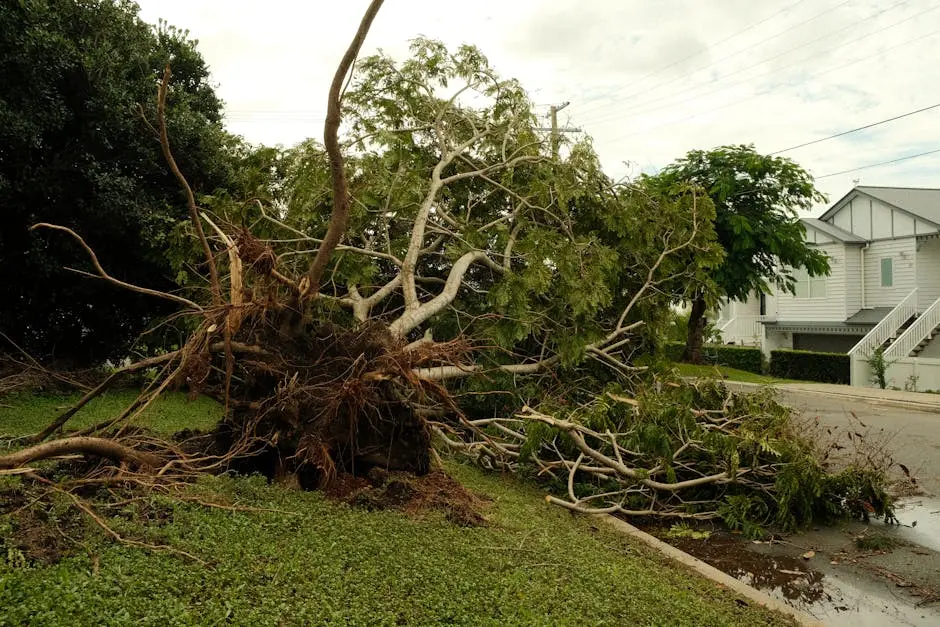
Wind damage is one of the most common claims made under storm damage insurance. Powerful winds can uproot trees, damage roofs, and cause debris to strike your home. Understanding this can help homeowners prepare by securing outdoor items ahead of a storm.
Water damage resulting from flooding also plays a significant role in storm damage claims. Depending on the policy, homeowners may find that flooding – even if caused by a storm – may not be covered without separate flood insurance. This distinction is critical because a storm’s aftermath can often lead to unexpected water damage.
Furthermore, it’s essential to consider hail damage which can create roofs laden with dings and punctures. Each type of storm damage brings its own set of challenges, but knowing what your policy covers can help you take the right precautions to minimize risk. As homeowners look into their coverage, clarifying these points with their insurance agent will ensure they understand every detail.
What is Not Covered by Storm Damage Insurance?
While storm damage insurance can provide strong protection, there are often exclusions. This section will detail what homeowners should be aware of, helping them avoid surprises during the claims process.
Exclusions can vary by policy but often include damage due to neglect or lack of maintenance. For example, if a roof leaks due to wear and tear and is exacerbated by a storm, the insurance may not cover these damages because they were not directly caused by the storm itself. Homeowners must recognize that maintaining their property doesn’t just prevent damage; it also preserves their coverage.
Another common exclusion is for damage caused by floodwaters, which typically fall under a separate insurance policy. Hurricanes bring heavy rains, and it’s crucial to know that while wind damage may be covered, flooding may not be. Homeowners should take the time to research additional policies they might need to avoid gaps in their coverage.
Additionally, intentional damage or vandalism is generally not covered under storm damage insurance, which can catch some homeowners off guard. It’s essential to approach your policy with a critical eye and ask clarifying questions to ensure you’re not left in a difficult situation when it matters most.
How to File a Storm Damage Insurance Claim
Filing a claim can be a stressful process. This section will provide step-by-step guidance on how to document damage and submit a claim, ensuring homeowners are well-equipped to handle this important task.
The first step after experiencing storm damage is to document everything thoroughly. Take photographs of the damage from multiple angles, capturing the severity and extent. If possible, make recordings of any conversations related to the incident. This kind of detail can significantly support your claim.
Next, reach out to your insurance provider as soon as you feel safe. Report the damage and initiate your claim process. Each insurance company has different procedures, but gathering your documentation ahead of time can expedite the process. It’s a good idea to keep notes on any conversations including names, dates, and key points discussed.
Finally, follow up regularly on the status of your claim. Remember, patience can wear thin during stressful times, but understanding your insurance process will be beneficial. Most importantly, stay proactive, so you don’t miss any timelines set forth by your insurer.
Tips for Choosing the Right Insurance Policy
Not all storm damage insurance policies are created equal. Homeowners should know what to look for when selecting a policy that fits their needs. This section will share valuable tips on comparing policies and understanding coverage limits.
First and foremost, research is key. Compare different insurance providers and their policies comprehensively. Look for reviews or ask friends and family about their experiences. The goal is to find a provider that not only offers thorough coverage but also values customer service. A friendly, approachable agent can make all the difference when you need support.
Next, don’t be shy to ask questions. Ensure you understand the terms, conditions, and most importantly, the exclusions of each policy. Knowing exactly what isn’t covered could save you from future headaches. Check if the company provides options for additional coverage to protect against specific concerns pertinent to your location.
Lastly, secure financial stability by reviewing policy costs. Look beyond the premium price. Understand the deductibles and any caps that might limit the coverage in a real storm scenario. It’s about finding that balance between affordability and peace of mind. Investing time upfront can save you heartache later.
The Importance of Regular Policy Reviews
Homeowners often forget that their insurance needs can change over time. This section will emphasize the importance of regular reviews of their storm damage insurance policy to ensure ongoing proper coverage.
As life evolves, so can your risk exposure. Did you purchase a new boat or renovate your home? These changes may require an update to your policy. Frequent reviews can ensure that your insurance keeps pace with life’s changes, protecting you from potential gaps in coverage.
Furthermore, storms are becoming more unpredictable due to climate change. This shift means that some areas previously considered low-risk may now face heightened exposure to severe weather. By reviewing your policy regularly, you can adjust your coverage to meet the current conditions.
Encouraging open communication with your insurer can lead to better insights as well. They often serve as valuable resources, guiding you on what may need adjusting in your coverage. Proactive homeowners take the reins of their insurance needs, ensuring they are adequately protected against any coming storms.
Wrapping Up Your Storm Damage Insurance Journey
Navigating storm damage insurance can seem daunting, but with the right information, homeowners can feel empowered and confident in their coverage. By understanding the specifics of your policy and taking proactive steps, you can protect your home and your peace of mind, no matter what nature throws your way.