

Home remodeling offers an exciting opportunity to not only transform your living space but also to adopt sustainable building practices that benefit the environment. In this blog, we will delve into various sustainable methods, materials, and strategies for remodeling your home while prioritizing eco-friendliness. Whether you’re considering a minor upgrade or a major renovation, understanding these practices can lead to a healthier home and a brighter future for our planet.
Understanding Sustainable Building Practices
Sustainable building practices encompass a variety of methods aimed at reducing the environmental impact of construction and renovation. This section will introduce the fundamental principles of sustainability in the construction industry, including energy efficiency, use of renewable resources, and minimizing waste.
At the core of sustainable building lies a commitment to balancing our needs with the health of the planet. It’s not just about using eco-friendly materials; it’s about creating spaces that harmonize with nature. For instance, utilizing locally sourced materials reduces transportation emissions and supports local economies. Integrating sustainable practices can encourage a healthier lifestyle and ultimately contribute to the wellbeing of our communities.
Moreover, sustainable practices often include innovative techniques such as passive solar design. This approach leverages natural sunlight for heating and lighting, reducing the need for artificial energy sources. As we explore these principles, we’ll see how they not only benefit the environment but also enhance the quality of life in our homes.
Choosing Eco-Friendly Materials
Selecting materials with low environmental impact is a key aspect of sustainable home remodeling. Here, we’ll explore options like bamboo flooring, recycled materials, and non-toxic paints, highlighting their benefits and practical applications in your home.
When it comes to flooring, bamboo has emerged as a popular choice. It’s fast-growing, replenishable, and highly durable. Not only does it evoke a modern aesthetic, but it also offers an eco-friendly alternative to traditional hardwoods that can take decades to grow. If you’re looking for the perfect blend of style and sustainability, bamboo might be just what you need.
Beyond flooring, consider opting for recycled materials in kitchen and bathroom countertops. Glass and concrete made from recycled components can create stunning surfaces that are both striking and responsible. Meanwhile, non-toxic paints and finishes ensure that the air quality in your home remains safe for your family. The choice of materials doesn’t just affect your environment—it impacts your indoor health as well.
In addition, be mindful of the lifecycle of products you choose. Investigate ethical sourcing and manufacturing processes. Such conscientious choices promote sustainability at each phase of the material’s journey, from production to disposal.
Implementing Energy Efficiency Measures
Incorporating energy-efficient solutions can dramatically reduce your home’s carbon footprint. This section will discuss energy-efficient appliances, proper insulation techniques, and smart home technology to help you save energy and money.
Energy-efficient appliances are often the unsung heroes of home sustainability. Investing in appliances that have earned an Energy Star rating can drastically lower your energy consumption. Not only do they help mitigate the impact on the environment, but they can also lead to significant savings on your utility bills. More than a purchase, it’s an investment in both your home and the planet.
Furthermore, insulation plays a vital role in maintaining an energy-efficient home. Proper insulation materials can prevent heat loss in the winter and keep your home cool in the summer, reducing the need for excessive heating or air conditioning. It’s an effective means to ensure your home remains comfortable year-round while minimizing energy use.
The advent of smart home technology has revolutionized energy management. Thermostats that learn your schedule can optimize heating and cooling, while smart lights can automatically adjust based on natural lighting. These innovations not only enhance convenience but also promote responsible energy consumption, ensuring your home is both comfortable and environmentally friendly.
Waste Reduction in Remodeling Projects
Construction and renovation often generate significant waste. We’ll cover strategies for minimizing waste through practices like deconstruction, recycling old materials, and sourcing materials locally.
A lesser-known but effective strategy is deconstruction rather than traditional demolition. This involves dismantling structures in a way that allows for the salvage and reuse of materials. By salvaging wood, fixtures, and even entire walls, you can divert waste from landfills while providing materials for future projects.
Recycling is another essential aspect. Many materials such as metal, concrete, and wood can be recycled, significantly cutting down on the waste generated during renovation. Not only does recycling reduce landfill waste, but it also diminishes the demand for new products, conserving natural resources in the process.
Additionally, sourcing materials locally fosters a reduced carbon footprint associated with transportation. This practice not only supports local businesses but also brings a unique character to your home with one-of-a-kind items that tell a story. From local artisan tiles to reclaimed wood from a nearby barn, the possibilities are endless.
Maximizing Natural Light and Ventilation
Natural light and adequate ventilation not only improve indoor air quality but also enhance the aesthetic appeal of your home. In this section, we will discuss design strategies for maximizing light and airflow, such as the use of skylights and strategically placed windows.
Let’s start with natural light. A well-placed window can brighten up a room, making it feel more open and inviting. Consider the layout of your home and the path of the sun to choose ideal locations for windows. Skylights are another excellent option, providing sunlight from above and creating a sense of spaciousness. They can transform a dark hallway or a cramped bathroom into a bright oasis, truly enhancing your living environment.
But it’s not just about light; ventilation is equally crucial. Proper airflow helps reduce the need for air conditioning, ensuring your home remains fresh and comfortable. Implementing features like transom windows or open floor plans can enhance airflow, while exhaust fans in kitchens and bathrooms can help remove excess humidity. Together, these elements create a harmonious environment that promotes health and well-being.
Case Studies: Successful Sustainable Remodels
Looking at real-life examples can provide inspiration and practical insights. We will explore a few successful sustainable home remodeling projects, breaking down what made them effective and how you can implement similar strategies.
Take the example of a family who remodeled their home using 100% repurposed materials. They not only transformed their space but also told a story through each piece they chose, from reclaimed wood beams to upcycled furniture. Their commitment to sustainability seamlessly intertwined aesthetic and ethical values, showcasing how remodels can be both beautiful and responsible.
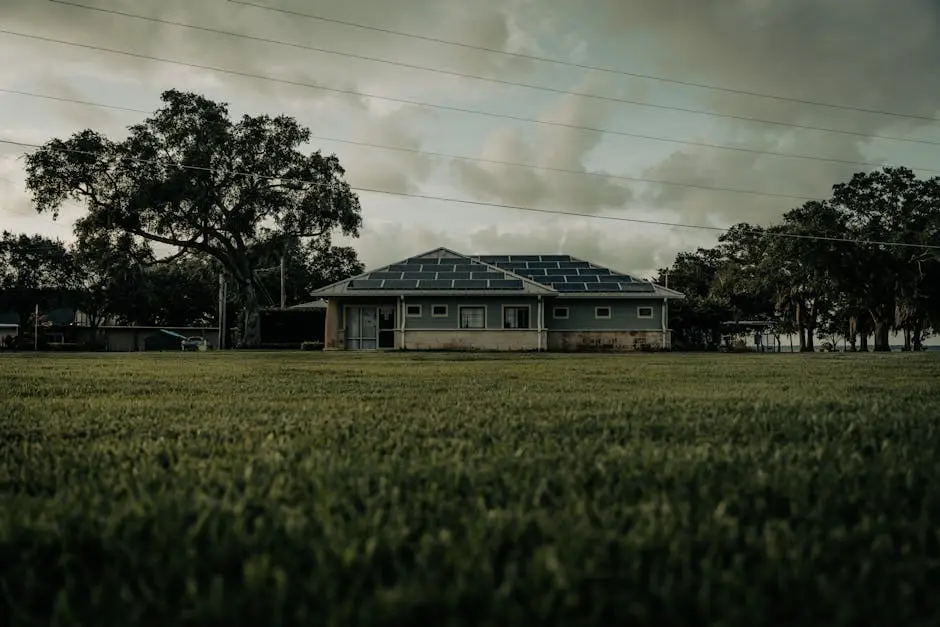
Another inspiring case features a couple who integrated solar panels during their renovation. By harnessing the power of the sun, they dramatically reduced energy costs while lowering their carbon footprint. Their decision to incorporate energy-efficient appliances and insulation then emphasized their commitment to long-term sustainability, demonstrating that every choice made counts.
These examples highlight not only what’s possible with sustainable building practices but also the myriad of ways each individual can personalize their home. With each remodeling decision, homeowners can embrace innovations that resonate with their values, ultimately crafting spaces that reflect who they are while honoring the environment.
The Path to Sustainable Home Remodeling
Embracing sustainable building practices in your home remodeling projects can lead to long-term benefits for both you and the environment. By making informed choices about materials, energy efficiency, and waste reduction, you contribute to a more sustainable future. So as you embark on your remodeling journey, remember to think green and prioritize practices that reflect your commitment to sustainability.