

Water remediation services play a crucial role in restoring and protecting our water resources. They not only focus on fixing contaminated water but also prioritize eco-friendly methods. In this blog, we will explore how these services keep the environment safe while delivering effective solutions.
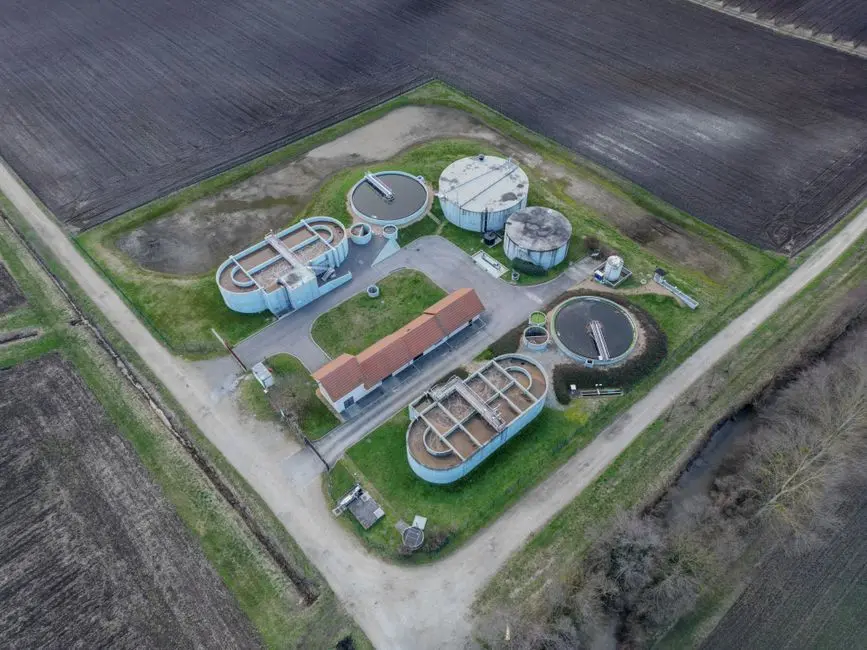
Understanding Water Remediation
Learn what water remediation is and why it’s necessary for clean ecosystems.
At its core, water remediation involves the removal of pollutants or contaminants from water bodies. This process is vital not just for restoring water quality but also for ensuring the safety of human health and aquatic life.
Various techniques, such as filtration, chemical treatments, and biological processes, are employed to address different types of contamination. Each method is specifically selected based on the nature of the pollutants and the environmental context.
The urgent need for effective water remediation arises from increasing industrial activities, agricultural runoff, and urban development, all of which can significantly impact water quality. Hence, understanding this service is key to appreciating its relevance.
Evaluating Eco-Friendly Technologies
Explore the cutting-edge technologies that ensure minimal environmental impact during remediation.
Modern water remediation services utilize innovative technologies, such as advanced oxidation processes and membrane filtration systems. These methods not only enhance the efficiency of removing contaminants but also reduce harmful byproducts, making the process eco-friendlier.
For example, UV light treatment can deactivate microorganisms without the need for harmful chemicals. This approach not only purifies water but also ensures that the surrounding ecosystems remain unharmed.
Furthermore, the integration of real-time monitoring systems allows for precise assessments of water quality, enabling timely interventions. By continuously refining these technologies, water remediation services aim to strike a balance between effectiveness and sustainability.
Implementing Natural Solutions
Discover how natural methods, like bioremediation, are used to protect flora and fauna.
One of the most remarkable aspects of eco-friendly water remediation is the use of bioremediation, whereby naturally occurring microorganisms are harnessed to break down pollutants. This method not only cleanses water but also preserves the natural balance of the ecosystem.
In addition to microbial solutions, phytoremediation involves the use of specific plants that can uptake, accumulate, or degrade contaminants from the soil and water. This green technology not only purifies water but also enhances biodiversity.
These natural solutions promote a holistic approach, allowing ecosystems to recover naturally and thrive without relying heavily on synthetic chemicals. They also provide an opportunity for the community to engage and learn about sustainable practices.
Compliance with Environmental Standards
Understand the regulations that guide water remediation operations to ensure environmentally sound practices.
Water remediation services operate under strict regulations designed to protect the environment. These guidelines ensure that remediation processes align with sustainable practices, safeguarding not only water resources but also public health.
Regulatory bodies set standards that dictate how contaminants should be managed. This includes limits on residual pollutants, which must be carefully monitored throughout the remediation process.
Compliance isn’t merely a requirement; it’s a commitment to environmental stewardship. By adhering to these regulations, water remediation services demonstrate their dedication to protecting our natural surroundings for future generations.
Community Engagement and Education
Learn how remediation services involve the community and promote awareness about sustainable practices.
Community engagement is a pivotal aspect of effective water remediation services. By involving local residents in discussions and educational initiatives, these services can foster a broader understanding of water issues and promote sustainable practices.
Workshops, informational sessions, and hands-on activities are effective ways to educate the community about the importance of clean water and the role they can play in its protection. Empowering individuals to take action bolsters the efficacy of remediation efforts.
Moreover, community feedback can be invaluable in identifying local water quality concerns, allowing remediation services to tailor their approaches to meet specific needs. This collaborative effort leads to more successful and widely accepted outcomes.
In Summary
Understanding how water remediation services incorporate eco-friendly practices is essential for making informed decisions. By using sustainable methods and technologies, these services help to restore not only the water quality but also the health of our ecosystems.