

Storm damage can be overwhelming, and knowing what to do can make a significant difference. Water restoration companies play a crucial role in helping you navigate the aftermath. Here are twelve essential insights straight from the experts that can empower you during this challenging time.
1. The Importance of Swift Action
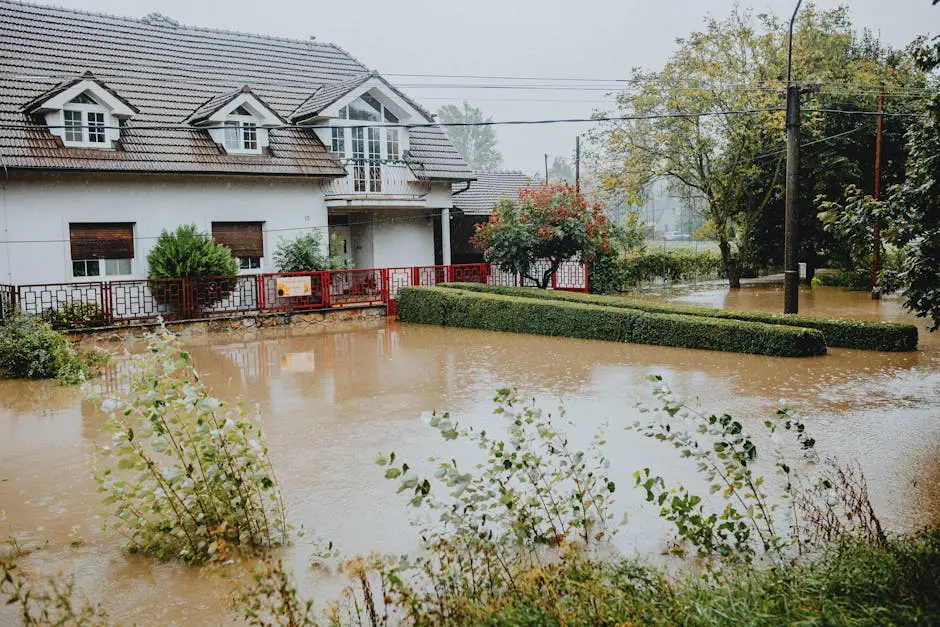
Taking immediate action can prevent further damage and costly repairs, as stagnant water can lead to mold and structural issues. Not only does prompt attention minimize the damage, but it also sets the tone for a more effective restoration process. Water restoration companies stress the significance of acting quickly. This means turning off any electrical sources in affected areas and removing valuables as soon as it is safe to do so. Time is of the essence; the longer the water sits, the more serious the consequences can become. Even small leaks or drips can wreak havoc if left unaddressed for too long.
Moreover, the urgency in addressing storm damage can often affect your insurance claims. Many policies require prompt action to properly evaluate damages. It’s a good idea to document the extent of the damage before any cleanup begins. This documentation is invaluable when filing a claim with your insurance provider. If you wait too long or act improperly, you may unintentionally put your coverage at risk, adding another layer of stress to an already taxing situation.
2. Understanding Your Insurance Policy
Familiarize yourself with what your homeowners insurance covers regarding storm-related damage to ensure you receive adequate support. Many homeowners are surprised to learn the nuances of their policies – the kind of coverage can vary significantly. It’s vital to read the fine print and understand exclusions, deductibles, and limits. For instance, some policies may cover flooding only with additional riders or separate flood insurance.
While you’re at it, consider reaching out to your insurance agent or adjuster for clarity. They can help you grasp the complexities of your policy, what documentation is required, and assist in kickstarting the claims process. Effective communication can save you from potential headaches later on. An informed approach to your insurance can turn a potentially daunting task into a manageable one.
3. The Role of Water Restoration Companies
Professionals are trained to assess, clean, and restore properties affected by water, providing a comprehensive solution to your storm damage. But what does this process really look like? Water restoration companies often begin with a detailed evaluation of the situation, utilizing various tools and techniques, which ensures that every nook and cranny is inspected. This step is crucial for understanding the full extent of the damage and planning the most effective remediation strategies.
Once an evaluation is complete, they can mobilize advanced equipment to extract standing water. After removal, drying out the area becomes a priority. This often includes dehumidifiers and high-powered fans to ensure that the entire environment is returning to its normal state. The process doesn’t stop at water removal; it’s also about restoring your home back to its original condition. This means everything from repairing drywall to sanitizing affected areas, so you can rest easy knowing the job is done right.
4. Preventing Future Flooding
Implementing preventative measures such as proper drainage and landscaping can help you fend off potential risks during stormy weather. A well-planned landscape can divert water away from your home, reducing the likelihood of flooding. Simple changes, such as installing gutters and downspouts, are vital routes for directing water flow. This might seem basic, but the right structure can save you from catastrophic damage down the road.
Additionally, consider checking your property for natural barriers such as hills or trees that could impact how water drains. Having a professional assess your property can provide valuable insights. Many water restoration companies offer consultations that focus not only on addressing damage but also on preventive measures. Remember, an ounce of prevention is worth a pound of cure!
5. Identifying Hidden Damage
Water can seep into hidden spaces, leading to long-term issues. Restoration experts can uncover and address this hidden damage effectively. It’s not just about what you can see—underneath flooring, behind walls, and within the framework of your property may be lurking moisture that can cause hidden damage. Ignoring these areas can lead to mold growth and structural deterioration, which may not surface until it’s too late.
This is why it’s crucial to engage with professionals who have the experience and knowledge to spot signs of hidden damage. They can employ specialized tools like moisture meters to detect dampness in walls and floors that might be missed by the untrained eye. Catching these issues early helps in stabilizing your home and ensures you won’t be wrestling with even larger problems later on.
6. The Dangers of DIY Restoration
While it may be tempting to tackle cleanup yourself, professional restoration services are essential for ensuring safety and thoroughness. DIY efforts can not only be ineffective but can also put your health at risk, especially if mold or bacteria become involved. Without the expertise in handling hazardous materials or understanding the right techniques, you could inadvertently worsen the situation or make the environment unsafe.
Additionally, trying to cut costs through DIY restoration can lead to deeper, unforeseen issues that might end up costing you far more than hiring professionals in the first place. It’s not just a matter of cleaning; it requires a comprehensive approach to ensure that everything is sanitized and restored correctly.
7. Utilizing Advanced Technology
Water restoration companies use cutting-edge technology such as moisture meters and thermal imaging to accurately assess damage and guide restoration efforts. These tools allow them to determine moisture levels and the extent of water intrusion that isn’t visible to the naked eye. This high-tech approach makes a substantial difference in the efficiency of the restoration process.
By using these technologies, professionals can create a targeted action plan based on accurate assessments. The result is not only a quicker restoration but also a greater likelihood of returning your property to its original condition without hidden damage lingering.
8. Mold Remediation Insights
Mold growth can begin within twenty-four to forty-eight hours after water exposure, so prompt action is crucial for effective remediation. This critical window is something many homeowners underestimate. Acting quickly can mean the difference between a minor inconvenience and a significant health hazard. Water restoration companies are familiar with these timelines; their processes account for quick assessments and even faster responses to eliminate mold before it becomes a more serious issue.
Once mold is identified, the work is only just beginning. Effective mold remediation involves not just cleaning the visible mold but also locating and rectifying the source of moisture that allowed it to thrive in the first place. Failure to address the root cause can lead to persistent mold issues, turning your home into an unhealthy environment.
9. Health Risks Associated with Storm Damage
Standing water and damaged materials can harbor harmful bacteria and allergens that pose health risks to you and your family. It’s easy to overlook the health implications when dealing with storm damage, but it’s a crucial aspect that shouldn’t be ignored. Contaminants present in floodwaters can lead to serious ill effects, especially for those with compromised immune systems or existing respiratory issues.
Even after water has been removed, remnants can contribute to poor air quality and lingering odors if left untreated. Consulting with a water restoration company often includes assessments of air quality and recommendations for remediation, ensuring a safe environment for you and your loved ones.
10. Establishing a Restoration Plan
Having a clear plan of action can guide you through communication with your restoration team, ensuring all necessary repairs are addressed. So, how do you create an effective restoration plan? Start by documenting the damage thoroughly, taking photos, and noting what needs attention. This will be useful both for your personal records and for discussions with insurance and restoration professionals.
Moreover, don’t hesitate to ask questions. A reputable water restoration company will be happy to explain their process, timelines, and costs. Understanding the steps involved can lend you peace of mind. A transparent restoration plan leads to better cooperation and smoother communication, making the entire experience more manageable for everyone involved.
11. Emotional Impact of Storm Damage
Dealing with the aftermath of storm damage can be emotional. From the initial shock to the stress of recovery, it’s a rollercoaster that can take quite the toll on individuals and families. Seeking support from professionals and loved ones can help ease the burden. It’s important to acknowledge these feelings and not downplay the emotional struggle that often accompanies such significant property damage.
Beyond the physical recovery, emotional support systems play a critical role in coping with such events. Don’t shy away from talking about your experiences with friends or contributing to support groups. Getting things off your chest not only helps in processing emotions but might also yield helpful tips or similar experiences that can be beneficial in your recovery journey.
12. The Importance of Professional Help
Ultimately, enlisting the help of knowledgeable water restoration companies can save you time, stress, and prevent potential long-term damage. The expertise that these professionals bring to the table is invaluable, allowing homeowners to focus on recovery rather than being overwhelmed by the challenges of restoration. Remember, you don’t have to go through this process alone, and seeking professional help is one of the wisest decisions you can make.