

Restoring your home’s roof doesn’t just mean replacing old shingles or fixing leaks; it also offers a fantastic opportunity to embrace sustainability. By making eco-friendly choices, you can ensure your roof not only protects your home but also benefits the environment. Here are ten practical tips to guide you through an eco-conscious roof restoration.
1. Choose Sustainable Roofing Materials
Selecting roofing materials that are sustainably sourced can dramatically reduce your environmental impact. Consider options like metal, reclaimed wood, or rubber—which all offer durability and can be recycled at the end of their lifespan. Not only do these materials boast impressive lifespans, but they also often require less energy to produce. Choosing eco-friendly materials ensures your home is protected while standing as a testament to your commitment to the environment.
Moreover, looking for certifications such as Energy Star or the Forest Stewardship Council (FSC) can help guide your choices. These trusted labels indicate that materials are produced sustainably, giving you further peace of mind. Remember, every little choice adds up, and small adjustments can make a big difference in promoting a healthier planet.
2. Investigate Energy-Efficient Options
Energy-efficient roofing systems, such as cool roofs, reflect sunlight and reduce cooling costs. These roofs can lower your home’s energy consumption while keeping it comfortable. Besides traditional shingles, consider reflective coatings or specially designed tiles that maximize your home’s efficiency. Understanding how your roof interacts with the sun can turn your home into a more efficient energy consumer.
The importance of insulation cannot be understated either. Pairing your roofing with adequate insulation will ensure you maintain a stable indoor temperature, further cutting down on energy use. These proactive measures can lead to significant savings on your energy bills over time—creating not just an eco-friendly roof but a more economical one as well.
3. Opt for Recycled Materials
Utilizing recycled materials, such as composite shingles made from post-consumer products, is an excellent way to cut down on waste while still achieving a durable roof. These shingles often replicate the look of traditional materials but carry a much lighter environmental footprint. Furthermore, using recycled products encourages a circular economy where materials are reused and repurposed rather than discarded.
Also, consider consulting with your roofing contractor about innovative products crafted from recycled content, like rubber roofing sourced from tires. Such choices promote sustainability while ensuring your roof remains weather-resistant. By focusing on recycled options, you’re making a statement about the significance of sustainability in today’s climate.
4. Implement Green Roofing Technologies
Green roofs, which are covered in vegetation, are an innovative option that provides insulation, helps manage stormwater, and supports local biodiversity. With so many benefits, it’s no wonder they’re becoming increasingly popular in urban settings. Not only do they combat air pollution and urban heat, but they can also create enjoyable spaces for relaxation or gardening right atop your home.
Additionally, green roofs often require less maintenance than traditional options, leading to long-term cost savings. When coupled with alternative drainage systems, they can effectively handle excess rainwater, reducing the burden on urban infrastructure. So, if you love nature and are eager to bring a bit of that into your living space, a green roof might just be your ideal solution!
5. Gather the Right Solar Options
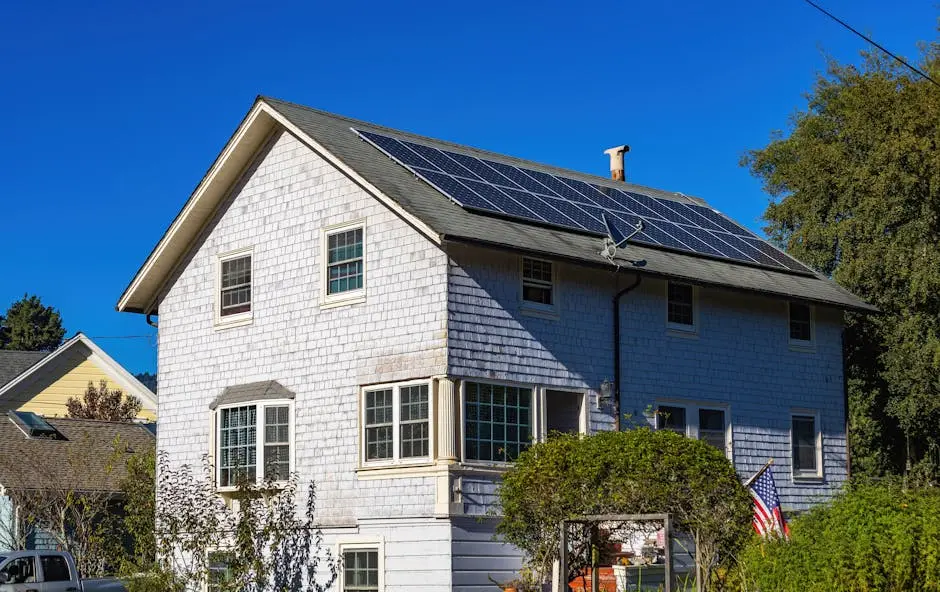
Incorporating solar panels into your roof restoration not only allows you to harness renewable energy but can also significantly reduce your energy bills over time. The initial investment can feel steep, but consider it a long-term payoff — many homeowners see a return on investment through energy savings and potential tax incentives.
Beyond traditional solar panels, explore solar shingles. These multifunctional materials blend seamlessly with other roofing materials while generating energy. It’s a stylish way to step into the renewable energy sector without sacrificing your roof’s aesthetic appeal. And with the advancements in solar technology, you’ll be surprised by how efficient and effective these options have become.
6. Practice Water Management Solutions
Installing rainwater harvesting systems or permeable roofing solutions can help manage water runoff and promote sustainable water usage, benefiting both your home and your local environment. Rainwater harvesting not only provides a free source of water for irrigation but also alleviates strain on municipal systems during heavy rainfall.
Permeable roofing allows rainwater to seep through, reducing runoff and replenishing groundwater supplies. It’s a practical approach to managing stormwater and can be an attractive addition to your home’s aesthetic. Embracing these water management solutions means you’re actively participating in conservation efforts instead of merely relying on traditional drainage systems.
7. Choose Eco-Friendly Roof Coatings
Selecting non-toxic and low-VOC roof coatings can enhance the lifespan of your roof while also minimizing harmful emissions that can affect indoor air quality. Many conventional coatings release volatile organic compounds (VOCs) that can have detrimental health effects. Opting for eco-friendly alternatives transforms your restoration into a healthier project not just for your home, but for your family as well.
Incorporate reflective coatings when possible. These coatings help keep your home cool by reflecting sunlight, thus reducing the amount of energy you need for air conditioning. Making such choices boosts your roof’s performance and aligns with an eco-conscious lifestyle.
8. Work with Certified Green Contractors
Collaborating with roofing professionals who specialize in eco-friendly practices ensures that your restoration project adheres to green building principles and incorporates the best technologies available. Not only do these contractors bring expertise to the table, but they are also generally up-to-date on the latest trends and regulations in sustainable roofing.
Selecting a certified green contractor can streamline your entire restoration process. They’ll save you time and energy while maximizing your project’s ecological benefits. Plus, having guidance from a knowledgeable professional can prevent costly mistakes, ensuring a smooth, successful restoration that truly meets your sustainability goals.
9. Plan for Recycling Old Materials
Instead of sending old roofing materials to the landfill, plan to recycle them. Many materials can be repurposed, giving them a new life and reducing waste. Check with local recycling centers to determine what materials are accepted and how they can be processed effectively. This small step can yield significant environmental benefits.
Beyond immediate waste reduction, recycling materials fosters a culture of sustainability. When communities engage in recycling initiatives, it encourages broader practices and awareness surrounding waste management. By championing recycling in your roof restoration, you become part of a larger movement advocating for a better, sustainable future.
10. Educate Yourself and Stay Informed
Staying updated on the latest eco-friendly roofing options, regulations, and technologies will empower you to make informed decisions that align with sustainable practices throughout your home roof restoration. Read books, follow blogs, and engage with local organizations focused on environmental sustainability.
Networking with others who have undergone similar projects can also provide valuable insight. Sharing knowledge creates an informed community, supporting eco-friendly choices in roofing restoration and beyond. Your engagement today can pave the way for more sustainable practices tomorrow!