

Navigating the world of insurance claims can be a daunting task, especially when it comes to rebuilding after damage or disaster. Understanding the ins and outs of your insurance policy, paired with expert rebuilding services, can greatly ease the process. In this blog, we’ll break down essential tips that will empower you to navigate your insurance claims smoothly and effectively, ensuring you’re well-prepared for the journey ahead.
1. Understand Your Policy Inside and Out
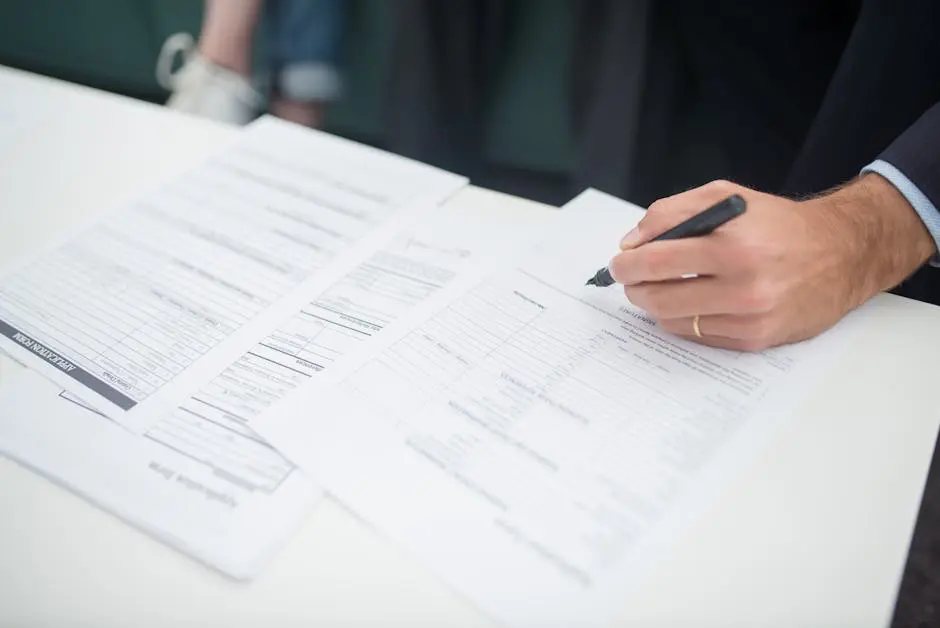
Before jumping into the claims process, take the time to fully understand your insurance policy. Familiarize yourself with the coverage details, exclusions, and claims procedures to avoid surprises later.
Dig deeper into the fine print; it’s often where the real insights lie. Equally important is to identify any optional coverages that might be beneficial. This proactive approach can save you a lot of heartache should you need to file a claim due to unexpected circumstances.
Additionally, don’t hesitate to ask your insurance agent questions. It’s their job to clarify these details for you. By demystifying your policy, you equip yourself with the knowledge necessary to navigate the claims process effectively.
2. Keep Detailed Records of Damages
Document everything! This includes taking photos, listing damaged items, and keeping receipts. Detailed records will support your claim and help streamline the rebuilding process.
It’s not just about having a record; it’s about being thorough. For every damaged item, make sure to describe its condition and value. A simple snapshot might be worth a thousand words later on when you’re justifying your claim.
Consider creating a digital folder on your computer or cloud storage to keep all your evidence in one place. This way, access is just a click away when you need to present it to your insurer. Developing this habit will save you time and stress in the long run.
3. Contact Your Insurer Promptly
Time is of the essence when it comes to filing a claim. Reach out to your insurance company as soon as possible after an incident to initiate the claims process without delay.
Don’t wait for the dust to settle. The sooner you file a claim, the sooner you can get the assistance you need to rebuild. Many policies have strict timelines for reporting damages, and missing those windows could jeopardize your claim.
When you contact your insurer, be prepared to provide them with your policy number and all related documents. Having these at your fingertips will help expedite the process and demonstrate your seriousness about getting back on your feet.
4. Get Multiple Estimates for Repairs
It’s always wise to get estimates from multiple rebuilding services. This not only helps you gauge fair pricing but also strengthens your case should disputes arise with your insurance provider.
When gathering estimates, focus on reputable contractors who have experience working with insurance claims. Their insights can be invaluable as they can often highlight what may not be visible at first glance.
After receiving the estimates, compare them carefully. Some may include additional details or use higher-quality materials than others. Make sure you’re not just looking at the bottom line; consider the value you’ll be getting in the long run as well.
5. Engage with a Public Adjuster if Necessary
If you’re feeling overwhelmed, consider hiring a public adjuster. They work on your behalf, negotiating with your insurer to ensure you receive a fair settlement.
A public adjuster can simplify the process significantly. They understand the nuances of insurance policies and know how to articulate your case in a compelling way. Their expertise can often result in a higher settlement than you might achieve on your own.
However, be sure to do your homework when selecting a public adjuster. Look for qualifications, reviews, and ensure they have a track record in your state. Just as you would with rebuilding services, it’s vital to choose professionals you can trust.
6. Be Proactive in Communication
Maintain open lines of communication with your insurance adjuster and your rebuilding services team. Regular updates can prevent miscommunications and keep the process moving smoothly.
Don’t wait for information to come to you; actively seek updates. A simple phone call or email can clarify where things stand in the claims process, making sure everyone is on the same page.
Moreover, document these communications. Keeping a record of your discussions can be helpful if disputes arise later. This diligence may be the key to ensuring a smooth rebuilding journey.
7. Know What to Expect During Inspections
Inspections may feel intimidating, but knowing what to expect can make the process smoother. Understand the inspection timeline and be prepared to answer questions about damages.
Prepare your home or property for the inspection—remove any obstacles that might hinder the adjuster’s assessment. Clearing the path not only showcases respect but will also help ensure that all damages are properly documented.
Additionally, be honest about the extent of the damages. If you downplay an issue, it may lead to complications later on. Transparency helps foster trust, which can be a vital component in your insurance relationship.
8. Review Your Settlement Offer Carefully
Once you receive a settlement offer, review it meticulously. Ensure it adequately covers all your damages before accepting. Don’t hesitate to negotiate if you feel the offer is insufficient.
This stage is crucial; it’s where many claimants feel tempted to quickly accept an offer to move forward. Remember, what seems sufficient at first may not cover all your expenses. Take your time and consider potential hidden costs.
If required, consult your public adjuster or a trusted advisor. They can give you valuable insights into whether the offer aligns with your needs and provide backup should negotiations become necessary.
9. Stay Organized Throughout the Process
Organization can make a world of difference. Keep all paperwork, communications, and documents neatly organized so you can access them when needed and avoid added stress.
Consider creating a dedicated folder for all things related to your claims process. You can go digital with emails and receipts, or keep hard copies, whichever method you’re comfortable with. The important part is to have everything in order when you need it.
Staying organized doesn’t just alleviate stress; it also makes you appear more credible in the eyes of your insurer. When you present thorough documentation, you demonstrate that you take your claim seriously—leading to a more favorable outcome overall.