

More than ever, homeowners and builders are recognizing the importance of sustainability in construction. By choosing sustainable construction services, you can enhance the functionality and beauty of your home while also contributing positively to the environment. In this blog, we’ll explore how these services benefit both your home and the planet, making every choice count.
Understanding Sustainable Construction Services
Sustainable construction services encompass a range of practices and materials that minimize environmental impact. From energy-efficient designs to the use of recycled materials, learn what these services include and why they matter.
At the heart of sustainable construction lies the principle of reducing waste. This approach not only conserves resources but also lessens the burden on landfills. For instance, builders may utilize reclaimed wood or recycled metal, turning potential waste into beautiful features that add character to the home.
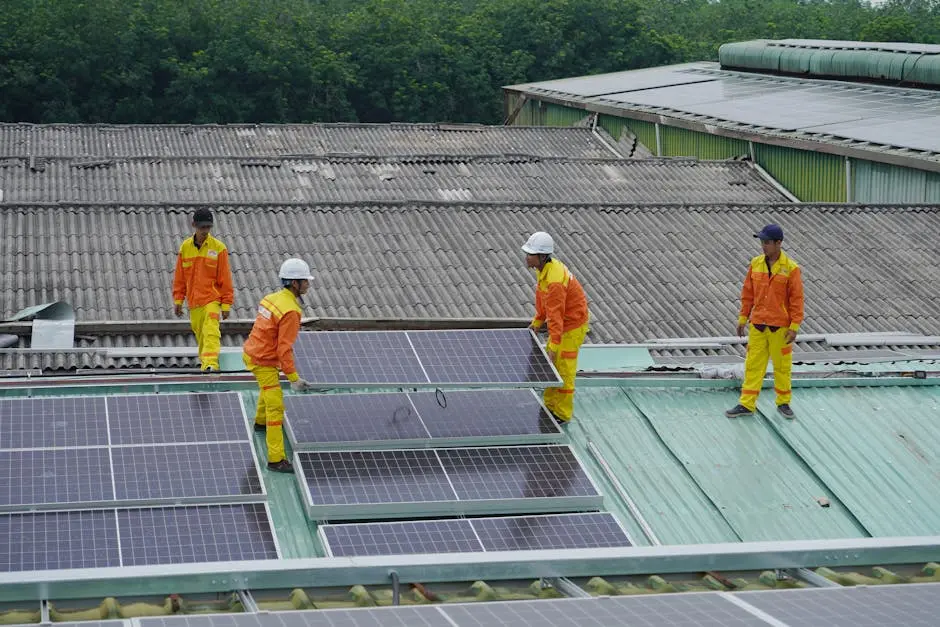
Moreover, these services promote the use of renewable energy sources, such as solar panels and geothermal heating. By integrating such systems, homeowners can reduce their reliance on traditional energy methods and save considerably on utility bills, all while contributing to a greener environment.
In addition to energy considerations, the selection of materials is crucial. Sustainable construction often prioritizes local materials, which not only supports local economies but also results in lower transportation emissions. Additionally, many sustainably sourced materials offer durability, which means your home can stand the test of time, requiring fewer repairs and replacements.
Economic Benefits of Sustainable Construction
Investing in sustainable construction can lead to significant savings in energy costs and maintenance over time. We’ll discuss how these initial investments often pay off in the long run.
When you think about home improvements, the first consideration is often budget. Luckily, sustainable construction services can be a wise financial choice. Although upfront costs may seem higher, your future savings on energy bills can be substantial. For instance, by incorporating energy-efficient appliances and insulation, many homeowners report a decrease in heating and cooling costs by up to 30%.
Beyond immediate savings, there’s also an increase in property value associated with sustainability features. Homes equipped with energy-efficient technologies and high-quality, sustainable materials attract more buyers and can command higher prices. This trend shows that sustainable construction is not just an expense but an investment.
Additionally, some governments offer financial incentives to encourage sustainable building practices, such as tax credits or grants. These benefits can further offset initial costs and make sustainable construction even more appealing. Navigating these options can lead you to accumulate considerable savings while making impactful choices for the environment.
How Sustainable Construction Improves Indoor Air Quality
One of the lesser-known benefits of sustainable construction is its positive effect on indoor air quality. Discover materials and practices that enhance your home’s air quality and promote a healthier living environment.
Indoor air quality significantly influences health and well-being. Traditional construction materials may off-gas volatile organic compounds (VOCs), leading to a variety of health issues ranging from headaches to respiratory problems. Conversely, sustainable construction methods prioritize non-toxic materials, ensuring that your home breathes as healthily as you do.
Furthermore, effective ventilation systems are prioritized in sustainable designs, promoting adequate airflow and minimizing humidity. By implementing such strategies, you not only create a more comfortable living environment but also reduce the risk of mold and allergens.
Choosing the right finishes is also essential for air quality. Opting for low-VOC paints, finishes, and sustainable flooring can drastically reduce harmful emissions. Homeowners often find that the result is a home that not only feels healthier but also smells fresher.
The Role of Sustainable Materials in Construction
Using sustainable materials is crucial in reducing the carbon footprint of construction projects. This section will highlight various eco-friendly materials and their unique advantages.
From bamboo flooring to recycled steel beams, sustainable materials are both innovative and functional. Bamboo, for instance, is a rapidly renewable resource that grows much faster than traditional hardwood. Its strength and durability make it an excellent choice for flooring and cabinetry.
Additionally, recycled materials, such as reclaimed wood and glass, come with their own story and charm. Not only does their use prevent waste, but these materials also bring a unique aesthetic, adding character and depth to interior spaces. Homeowners who choose such materials often feel a deeper connection to their living environment.
Moreover, the use of insulated concrete forms (ICFs) represents another sustainable option that enhances both energy efficiency and structural integrity. These forms are excellent thermal insulators, meaning homes remain cozy in winter and cool in summer without excessive energy use.
Energy Efficiency and Its Impact on Your Home
Sustainable construction emphasizes energy efficiency through design and technology. We’ll explore different strategies to make your home more energy-efficient and reduce utility bills.
One primary method of achieving energy efficiency is through superior insulation. By investing in high-quality insulation, homeowners can drastically reduce the amount of energy needed to heat and cool their homes. The value of not only lower utility bills but also increased comfort cannot be overstated.
Additionally, smart home technology is quickly becoming a staple in energy-efficient homes. Automated systems allow homeowners to control lighting, heating, and even air conditioning remotely, ensuring that energy is not wasted when spaces are unoccupied. The convenience paired with environmental responsibility is a win-win!
Passive solar design is another exciting method. This involves strategically placing windows and overhangs to maximize sunlight in winter and minimize it in summer. Such architectural considerations enable homeowners to naturally harness energy from the sun, leading to substantial energy savings.
Community Benefits of Sustainable Construction Practices
Sustainable construction doesn’t just impact individual homes; it benefits entire communities. Learn how these practices can lead to improved public health and community resilience.
When neighborhoods build sustainably, they cultivate a greater sense of community. Green spaces, parks, and walkable neighborhoods are commonly seen in developments that prioritize sustainability. These elements foster social interactions and improve mental health.
Moreover, sustainable construction contributes to enhanced community resilience against climate changes. Buildings designed to withstand extreme weather events can protect lives and minimize damage. The investments into sustainable infrastructure, like efficient drainage systems, ensure communities thrive even in challenging climatic conditions.
Lastly, sustainable construction practices often encourage local economic growth. Supporting local suppliers and contractors helps circulate money within the community, leading to job creation and promotion of local artisans. The ripple effects of these practices can uplift entire neighborhoods.
The Future of Sustainable Construction
As technology advances, so do the methods and materials used in sustainable construction. We’ll look at future trends and innovations that promise to make construction even greener.
Emerging technologies, such as 3D printing, are revolutionizing how we create structures. This innovation reduces waste and utilizes materials more efficiently, making it a promising avenue for the future of sustainable construction. The implications for reduced labor costs and quicker builds are equally exciting.
Additionally, renewable energy technologies continue to improve. We see advancements in solar panels—they’re becoming more efficient and aesthetically pleasing! In the near future, integrating renewable energy will be a standard practice for all constructions.
Lastly, the rise of smart cities emphasizes the need for sustainable solutions. Communities are increasingly looking at how infrastructure can harmonize with the environment, utilizing technology to enhance livability and sustainability. This future promises not just greener buildings but a more secure and vibrant way of life.
Summing Up the Impact of Sustainable Construction
In conclusion, embracing sustainable construction services not only elevates the quality of your home but also plays a crucial role in protecting our planet for future generations. By choosing environmentally friendly options, you invest in a healthier living space and a healthier Earth. Let’s choose wisely!