

In today’s world, making sustainable choices is more important than ever, especially when it comes to our homes. One vital aspect of sustainability is roofing. This blog explores the key features that make a roof eco-friendly, ensuring that your choice not only protects your home but also the planet.
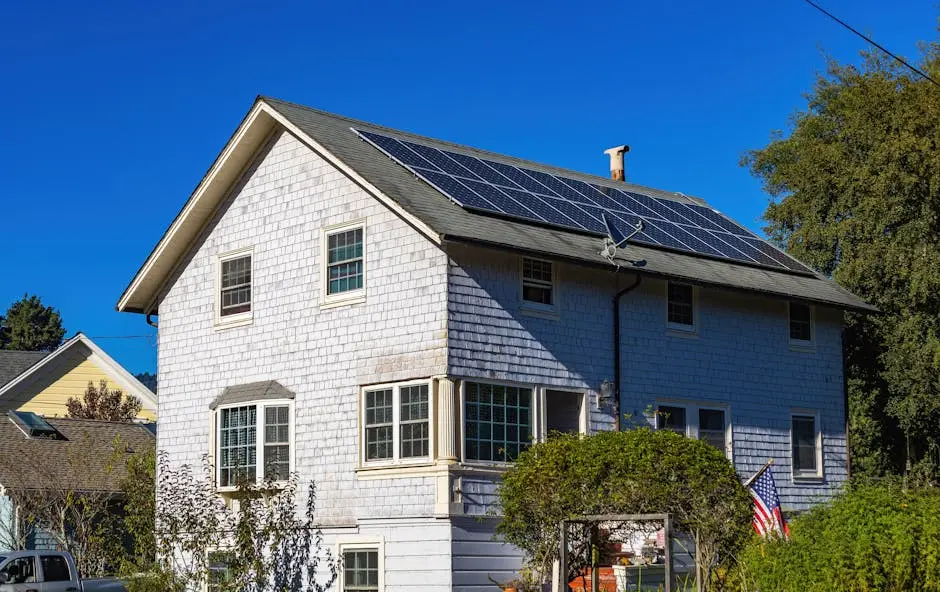
Step 1: Choose Sustainable Roofing Materials
Look for materials that are recycled, renewable, or sourced responsibly, such as bamboo, reclaimed wood, or metal.
Opting for eco-friendly materials is not just a trend; it’s a commitment to our environment. For instance, recycled shingles reduce waste and offer a unique aesthetic that can enhance your home’s charm. Additionally, materials like slate and clay are durable and have a minimal environmental impact over their long lifecycle.
Another aspect to explore is the use of sustainable insulation materials like cellulose made from recycled paper or wool from sheep. These materials not only provide excellent thermal properties but also contribute positively to the environment by using less energy in their production.
In summary, the materials you choose for roofing play a critical role in promoting roofing sustainability, so take the time to choose wisely.
Step 2: Opt for Energy-Efficient Designs
Incorporate designs that maximize natural light and ventilation, reducing energy consumption for heating and cooling.
Energy-efficient designs are essential to creating a roof that supports sustainability. For instance, strategically placing windows and skylights can lead to reduced reliance on artificial lighting during the day. This not only cuts down on energy costs but also enhances your quality of life by bringing more natural light into your space.
Moreover, consider employing reflective roofing materials that help deflect sunlight, thus lowering the roof’s temperature and reducing air conditioning needs. This practice not only conserves energy but also contributes to lower urban heat effects in your neighborhood.
Ultimately, a well-thought-out design can transform your home into a sanctuary that is both eco-friendly and energy-efficient, paving the way for a more sustainable future.
Step 3: Implement Green Roof Technology
Consider adding a green roof, which involves planting vegetation on the roof surface, improving insulation and reducing runoff.
Green roofs come with a plethora of benefits. Not only do they improve insulation, reducing heating and cooling costs, but they also assist in managing rainwater runoff, which can alleviate excess stress on stormwater systems. Plus, they provide a habitat for wildlife, contributing to urban biodiversity.
Moreover, the beauty of a green roof is hard to overlook. It provides a serene outdoor space that homeowners can enjoy while simultaneously fulfilling their eco-conscious goals. Imagine sipping your morning coffee surrounded by blooming flowers, all while knowing you’re contributing to a more sustainable planet.
With all these advantages, it’s clear that green roofs aren’t just a trend; they represent a forward-thinking approach to roofing sustainability that can have long-lasting positive impacts.
Step 4: Ensure Water Management Systems
Install systems like rainwater harvesting or effective drainage to minimize water waste and promote sustainable usage.
Water management is a crucial component of eco-friendly roofing. Implementing rainwater harvesting systems allows you to collect and store rainwater for various uses, such as watering gardens or flushing toilets. This reduces dependency on municipal water supplies and promotes a self-sustaining home.
Effective drainage is another essential aspect to consider. A well-designed drainage system helps prevent water pooling on the roof, which can lead to damage over time. By ensuring that water flows quickly and efficiently off the roof, you also minimize the risk of leaks and prolong the lifespan of your roofing materials.
In conclusion, integrating strong water management systems into your roofing strategy not only supports roofing sustainability but also helps you conserve one of our most precious resources—water.
Wrapping Up
By considering the various elements that contribute to a roof’s eco-friendliness, you can make informed decisions that benefit both your home and the environment. Embracing sustainable roofing practices not only adds value to your property but also promotes a healthier planet for future generations.