

In our quest for eco-friendly living, sustainable roofing has emerged as a popular choice for many homeowners. But is it really cost-effective over time? Let’s explore the financial implications and benefits of opting for sustainable roofing.
Understanding Sustainable Roofing Options
Get to know the different types of sustainable roofing materials available today, and how each offers unique benefits and costs.
From metal roofs to green roofs, the options are plentiful. Metal roofing, for instance, not only lasts longer than traditional materials but also reflects sunlight, helping to keep your home cooler.
Green roofs, on the other hand, involve planting vegetation on your roof, which provides insulation and could reduce energy costs. This option is particularly appealing in urban areas where green space is limited.
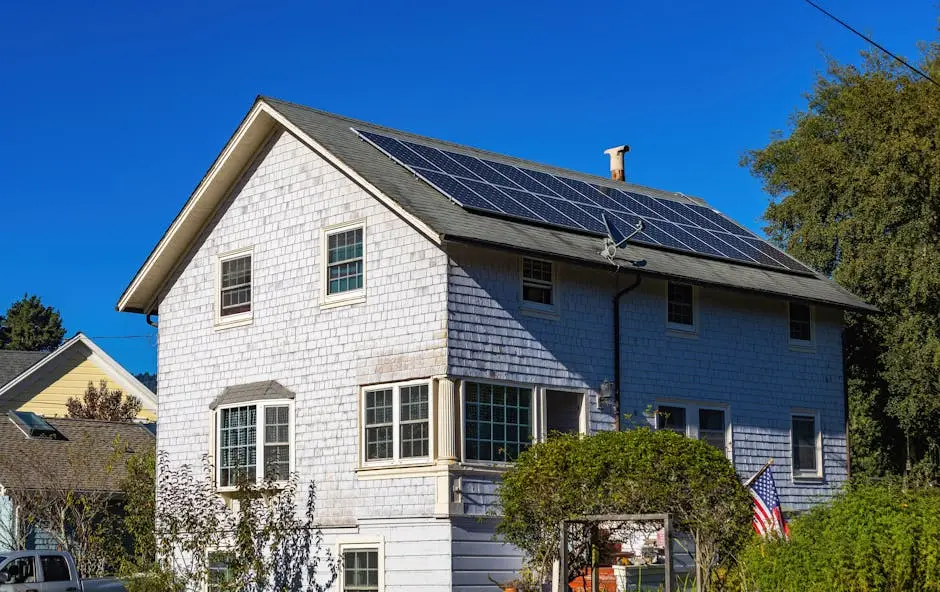
With options like solar shingles that effectively convert sunlight into energy, the variety of sustainable choices reflects a growing emphasis on both performance and environmental responsibility.
Initial Costs vs. Long-Term Savings
When it comes to sustainable roofing, initial costs can feel daunting. Many homeowners worry that the higher price tag means they won’t see a return on their investment.
However, understanding the energy savings and maintenance reductions can change that perspective. For example, while solar roofing materials may cost more upfront, they can significantly lower your electricity bills over time.
Moreover, various studies indicate that sustainable roofing can lead to longer durations between replacements, giving families peace of mind while saving money in the long run.
It’s crucial to weigh these initial expenses against your expected energy and maintenance savings. Many homeowners find that after a few years, their investment pays off handsomely.
Energy Efficiency and Utility Savings
Explore how sustainable roofing can improve energy efficiency and lead to significant savings on heating and cooling.
A properly installed sustainable roof can dramatically lower the energy needed for heating and cooling by improving insulation and reducing heat gain. Wouldn’t you love to see lower utility bills?
In regions with extreme temperatures, this benefit becomes even more pronounced. By investing in reflective or insulated roofing, homeowners often notice a reduction in energy consumption of 20% or more.
Many homeowners also find that these savings quickly contribute to the justification for the upfront costs, making sustainable roofing an increasingly attractive option.
Durability and Maintenance Costs
Learn about the durability of sustainable materials and how lower maintenance needs contribute to long-term cost-effectiveness.
Sustainable roofing materials, such as metal or certain asphalt shingles, often come with warranties of 30 years or more. This longevity means homeowners can avoid the costs and hassles associated with frequent repairs or replacements.
Additionally, many sustainable materials are designed to require less maintenance. For example, a metal roof resists mold and algae growth, which means fewer cleaning chores and lower costs over time.
In the context of cost-effectiveness, the durability of sustainable roofing options becomes a key consideration when deciding whether to invest.
Potential Tax Credits and Incentives
Review available tax credits and incentives that can offset the costs of installing sustainable roofing.
Many local and federal programs encourage homeowners to opt for sustainable solutions by offering tax credits and rebates. These incentives can significantly reduce your net investment in a new roof.
For instance, installing solar panels often qualifies for federal tax credits, which can cover a substantial portion of the upfront costs. It’s a win-win for both your wallet and the planet.
Always check with your local government for specific programs available in your area. You might be surprised at the financial assistance options you could tap into!
Evaluating Your Long-Term Goals
Consider how your personal or financial goals align with sustainable roofing investments and what this means for your property value.
In terms of property value, homes with energy-efficient features—including sustainable roofs—often appeal more to prospective buyers. This scenario translates into higher property values over time.
Additionally, if your goal is to make environmentally conscious choices, opting for sustainable roofing methods aligns perfectly with that philosophy. You’re contributing to greener living while potentially saving more money in the long haul.
Ultimately, evaluating your long-term goals and figuring out how sustainable roofing fits in will offer you a clearer picture of potential benefits.
Wrapping It Up
Ultimately, while sustainable roofing may require a higher initial investment, the long-term savings and environmental benefits often outweigh those upfront costs.